
The University of British Columbia (UBC) has some of the most ambitious greenhouse gas reduction targets in Canada and is actively working to improve the performance of its existing buildings. Many of these buildings have aging, single pane windows where full replacement would be costly and disruptive.
The goal of this pilot is to evaluate how window inserts can deliver measurable thermal improvements while avoiding replacement costs and the carbon impact associated with a full replacement.
The study is being run in two phases and involves installing the Taiga window insert in a test room and comparing energy performance against an identical room that has unmodified single-pane operable windows.
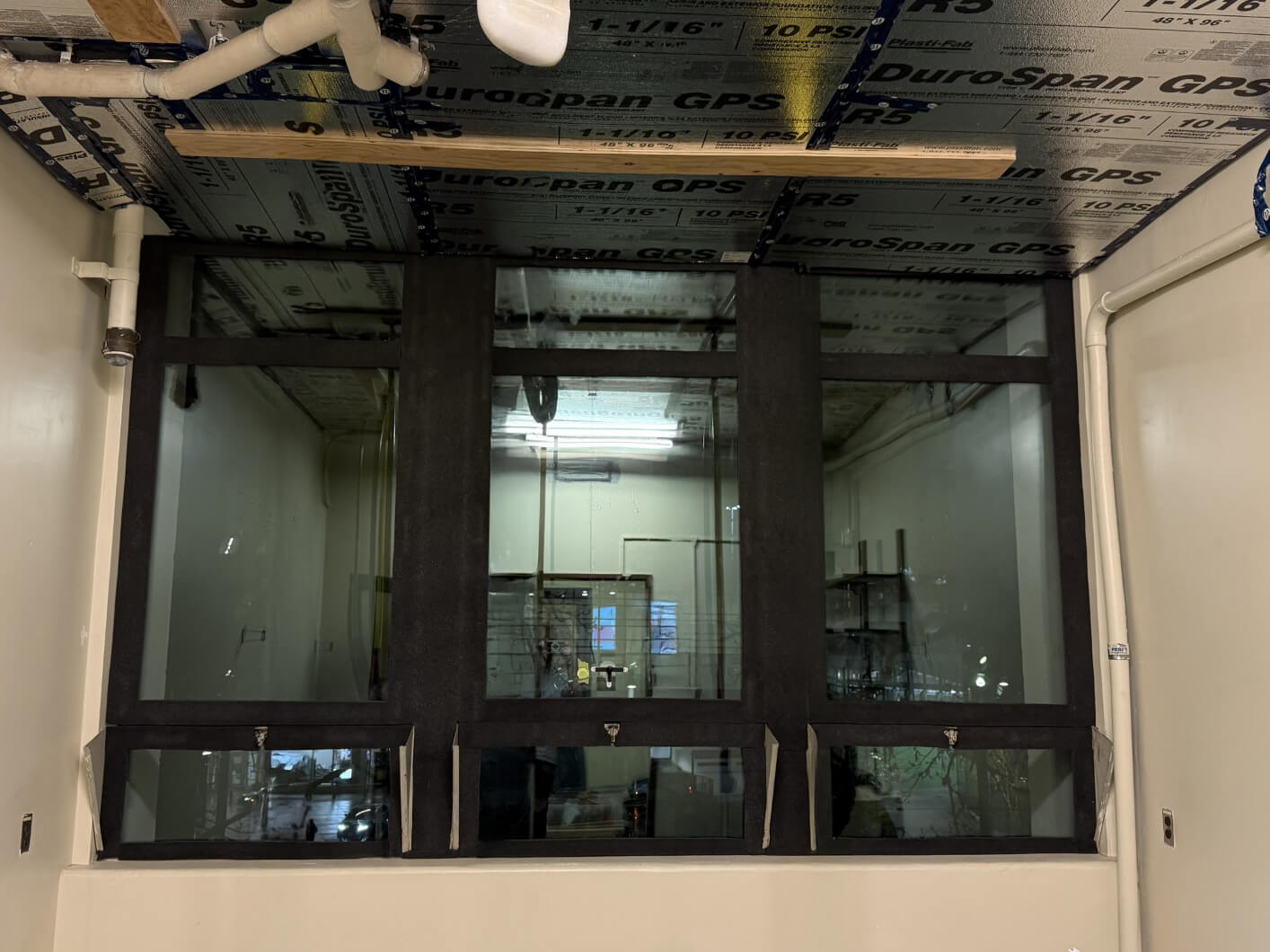
The Taiga window inserts were installed from the interior. The original windows remained in place and are fully operable. No exterior work or removal was required. Installation was completed quickly with minimal disruption to the space. This included installing and calibrating temperature sensors.
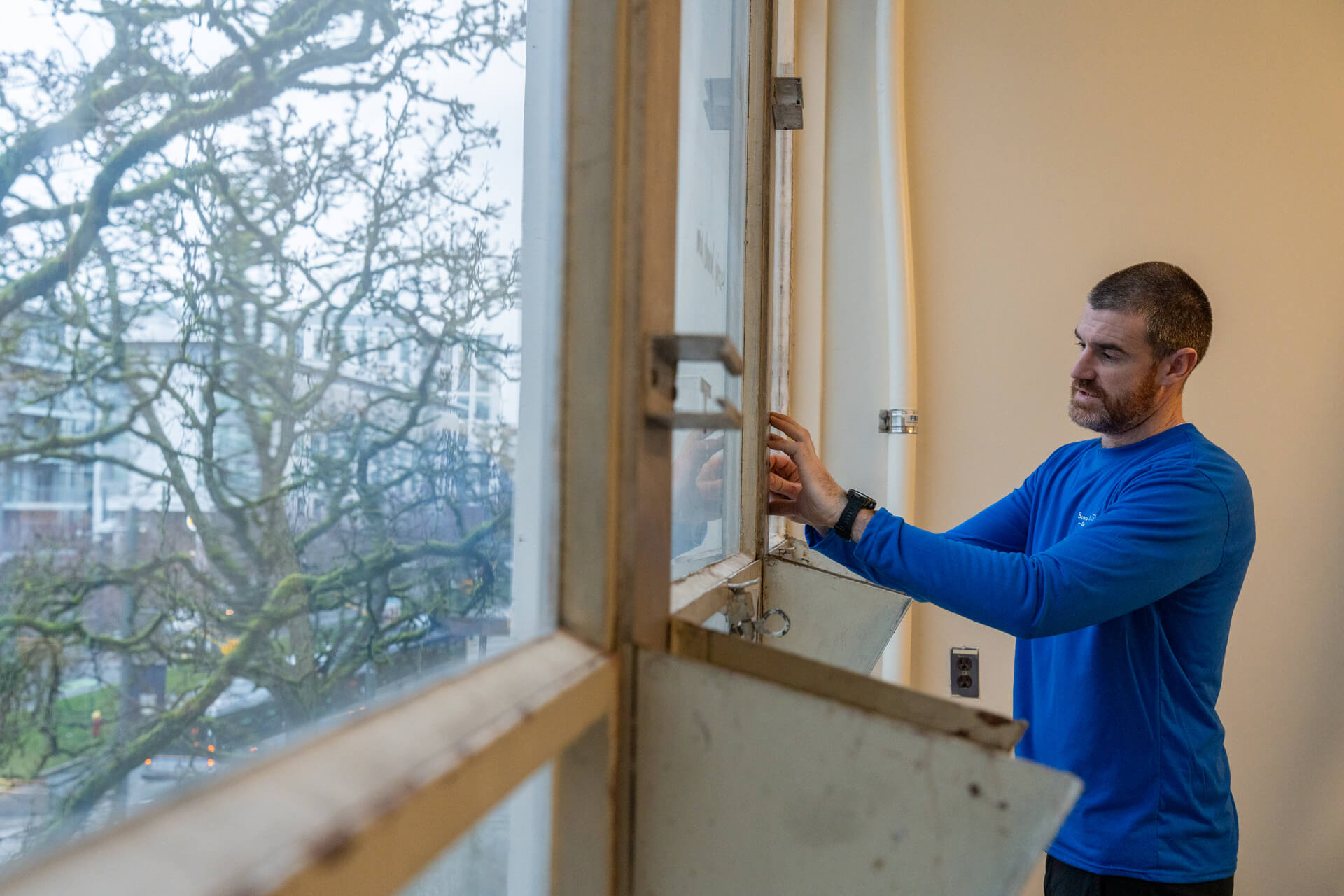
Before
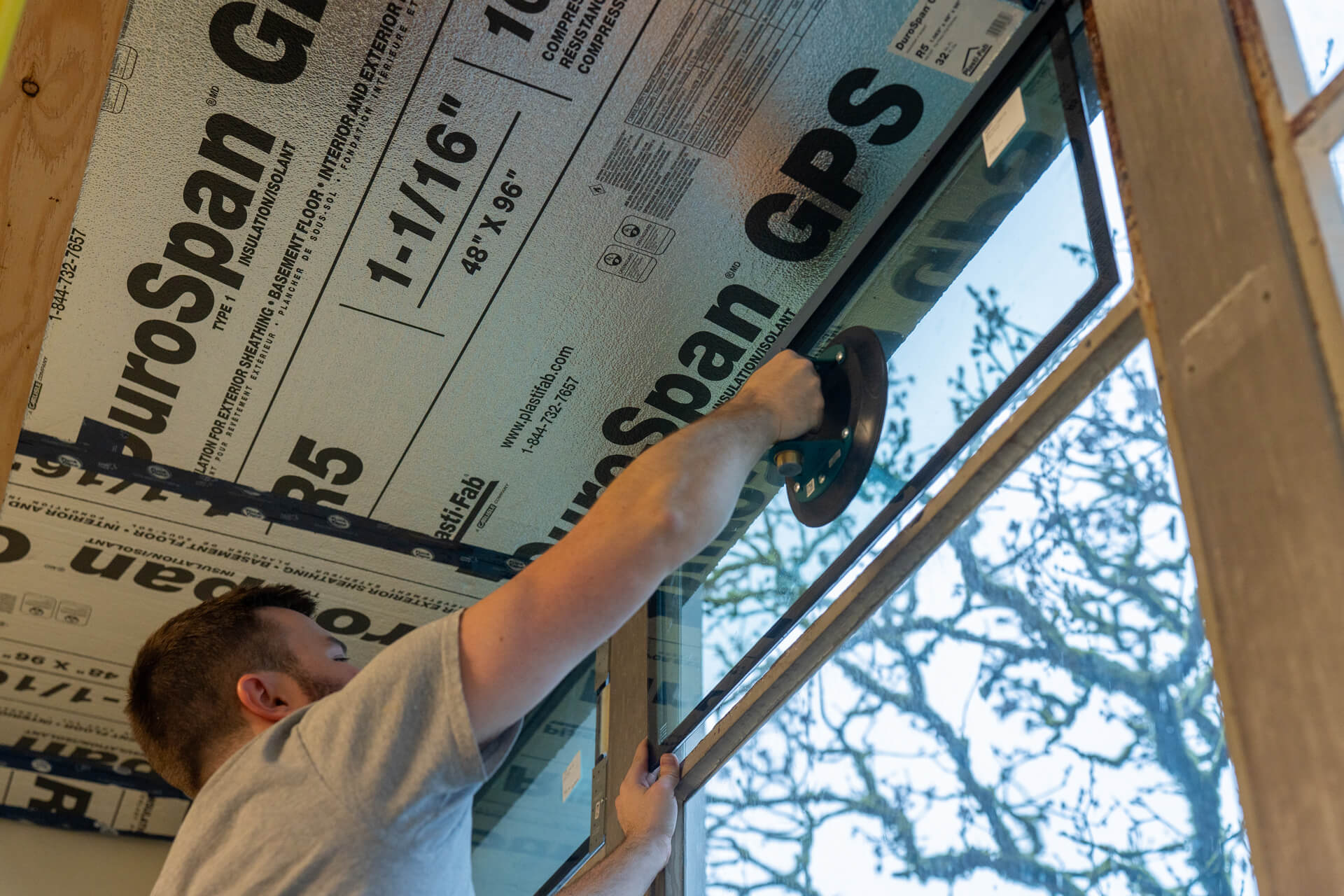
Installation
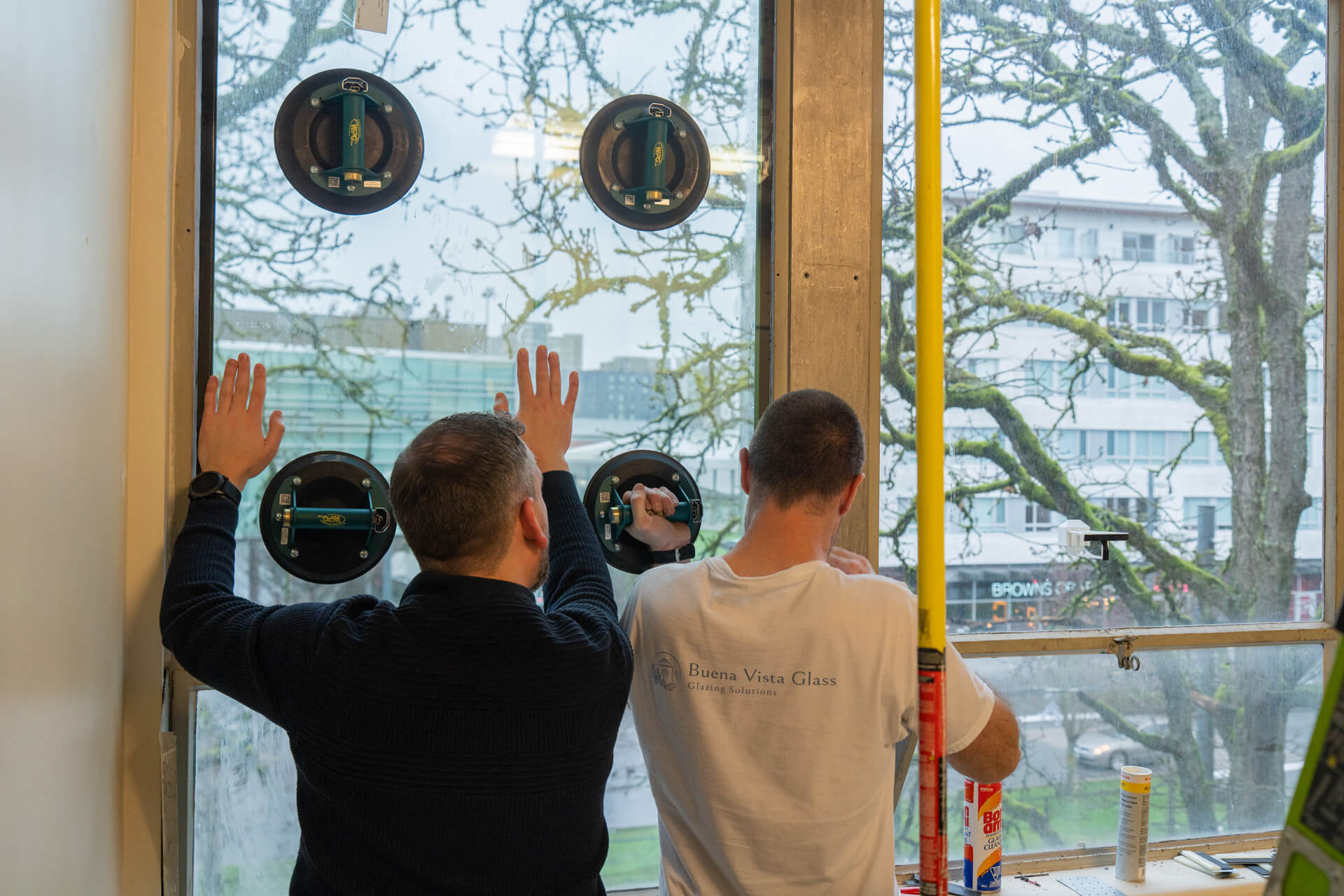
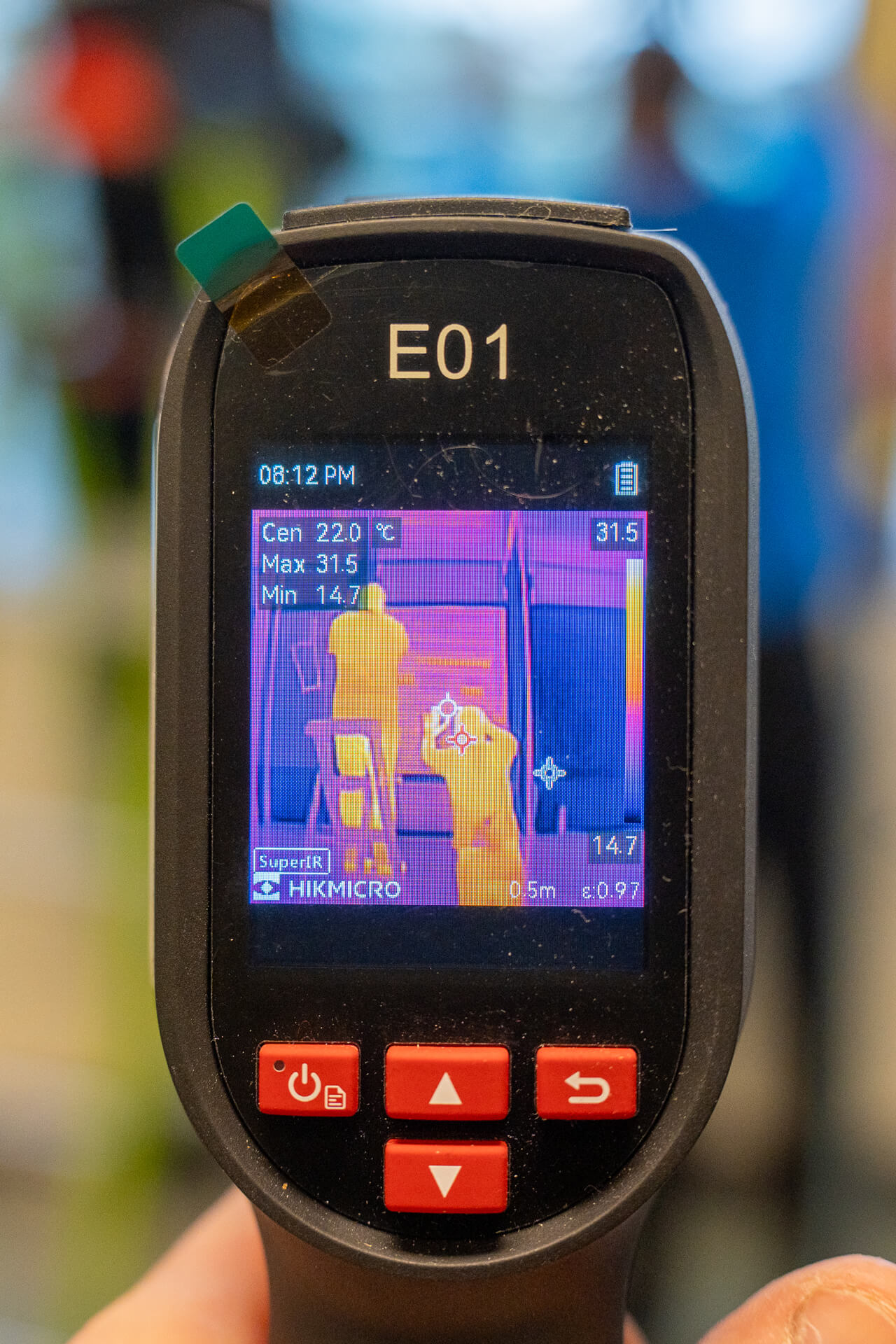
The temperature sensors are being monitored in both the test room and the control room. Data is being collected continuously to compare heat loss through the Taiga-retrofitted windows versus the original single-pane windows under three operating conditions: no active heating, constant heating, andd constant temperature control.
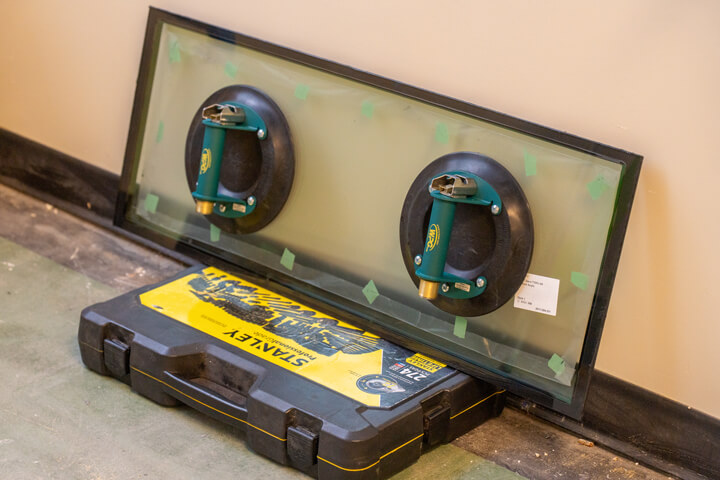
After
This pilot helps building managers and owners understand actual window heat loss performance using measured data, not estimates. It demonstrates how a retrofit can achieve energy performance goals without removing existing operable windows or undertaking major construction.